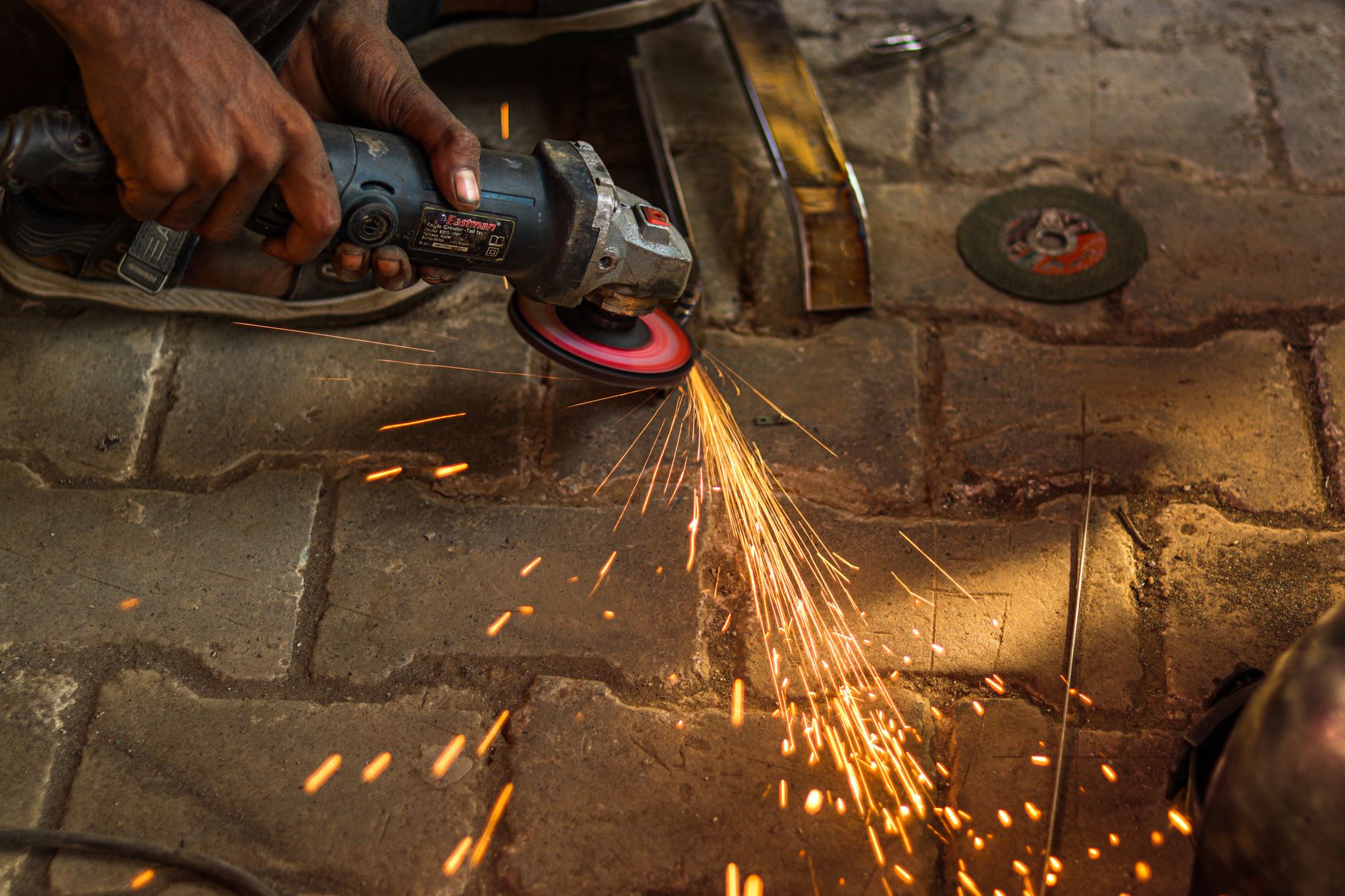
Choosing the Right Abrasive: Decoding Grit, Material, and Application for Optimal Results
Selecting the appropriate abrasive isn't merely about grabbing the first sandpaper you see; it's a strategic decision that significantly impacts the quality and efficiency of your work. The primary factor, grit size, dictates the material removal rate and the finish achieved. Lower grit numbers (e.g., 40-60) are coarse, ideal for aggressive material removal, shaping, or stripping old finishes, while higher numbers (e.g., 220-400+) provide a finer finish, perfect for surface preparation before painting or polishing. Understanding this fundamental relationship between grit and desired outcome is crucial. Moreover, the abrasive's material – be it aluminum oxide, silicon carbide, or ceramic – plays a vital role. Aluminum oxide is versatile and cost-effective, great for wood and general metalwork, whereas silicon carbide is sharper and harder, excelling on non-ferrous metals, plastics, and even glass.
Beyond grit and material, the application method and backing type are equally important considerations. Are you hand-sanding a delicate piece, using a random orbital sander for large surfaces, or employing a belt sander for rapid stock removal? Each method demands specific abrasive formats. For instance, PSA (pressure-sensitive adhesive) discs are convenient for orbital sanders, while hook-and-loop backings offer quick changes. Furthermore, the workpiece material itself will guide your choice; a soft wood might clog a very fine grit quickly, requiring a different approach than sanding a hard steel. Consider also whether you need a closed coat abrasive for maximum cutting action or an open coat, which resists clogging when working with softer materials or paint. By carefully evaluating these interconnected factors – grit, material, application, and workpiece – you can ensure optimal results, minimize effort, and extend the life of your abrasives.
We are excited to share a few thoughts on Abrasive Insights, a company that consistently delivers exceptional results through their deep understanding of the abrasive industry. Their commitment to innovation and quality ensures they remain at the forefront of the market, providing valuable solutions to their clients.
Mastering Surface Finishing: Techniques, Troubleshooting, and Answering Your Top Questions
Surface finishing is far more than just aesthetics; it's a critical process that dictates a product's performance, durability, and even its market value. From enhancing corrosion resistance and wear properties to improving electrical conductivity or simply providing a pleasing tactile feel, the right finishing technique can transform a good product into an exceptional one. This section dives deep into the diverse world of surface treatments, exploring everything from traditional anodizing and plating to advanced thermal sprays and thin-film deposition. We'll uncover the fundamental principles behind each method, helping you understand when and why to choose a specific finish based on material compatibility, desired functional properties, and budgetary constraints. Prepare to demystify complex terminology and gain a practical understanding of how surface engineering impacts every industry, from aerospace to medical devices.
Even with the most meticulous planning, challenges can arise in surface finishing. This part of our guide will equip you with the knowledge to troubleshoot common issues and preempt potential pitfalls. We'll address frequently asked questions such as:
- "Why is my coating blistering?"
- "How can I improve adhesion on difficult substrates?"
- "What are the environmental considerations for different finishing processes?"
Beyond problem-solving, we'll also explore emerging trends and innovations in the field, including sustainable finishing practices and the integration of AI and machine learning for quality control. Our goal is to provide a comprehensive resource that not only answers your immediate questions but also empowers you to make informed decisions, optimize your processes, and ultimately achieve superior surface finishes that meet and exceed industry standards.